
Kiko Kono, M.D.
Profile
Graduated from Kawasaki Medical School. Worked as a dermatologist for about 20 years at core hospitals. After many years of experience and achievements, he became a cosmetic dermatologist. His practice style is to examine the skin thoroughly and pursue what is happening where on the skin and approach the problem. Her specialties include customized treatment, laser treatment, Botox, and skin growth injections. In her private life, she is a mother of two children.
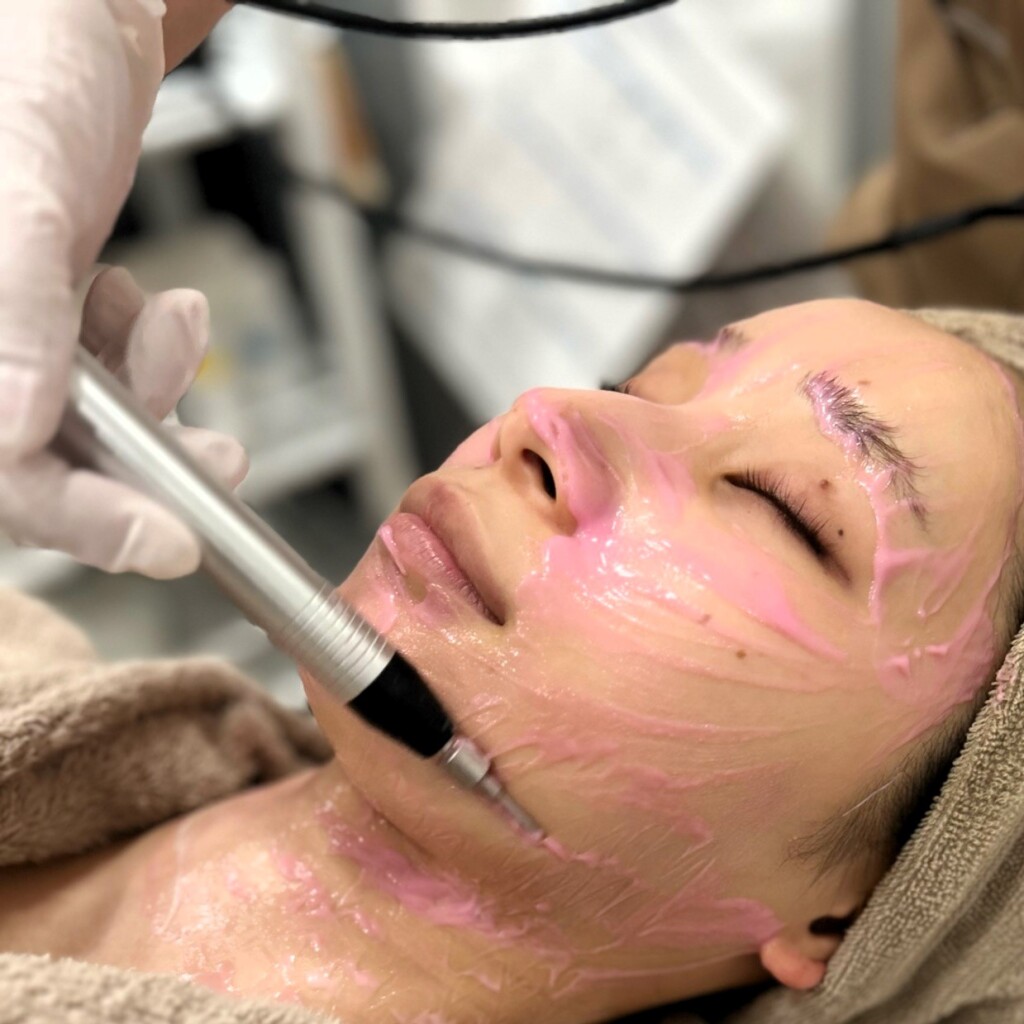
A spot removal laser can effectively improve spots at a beauty clinic. In some cases, post-inflammatory hyperpigmentation (returning pigmentation), in which the stain becomes darker for a certain period of time, may occur among those who have undergone treatment. This article explains the causes and countermeasures for this phenomenon. This article also introduces preventive measures for those who will be undergoing laser spot removal. If you are suffering from hyperpigmentation caused by laser spot removal, please read this article to the end.
What is a spot removal laser? A Review of the Basics
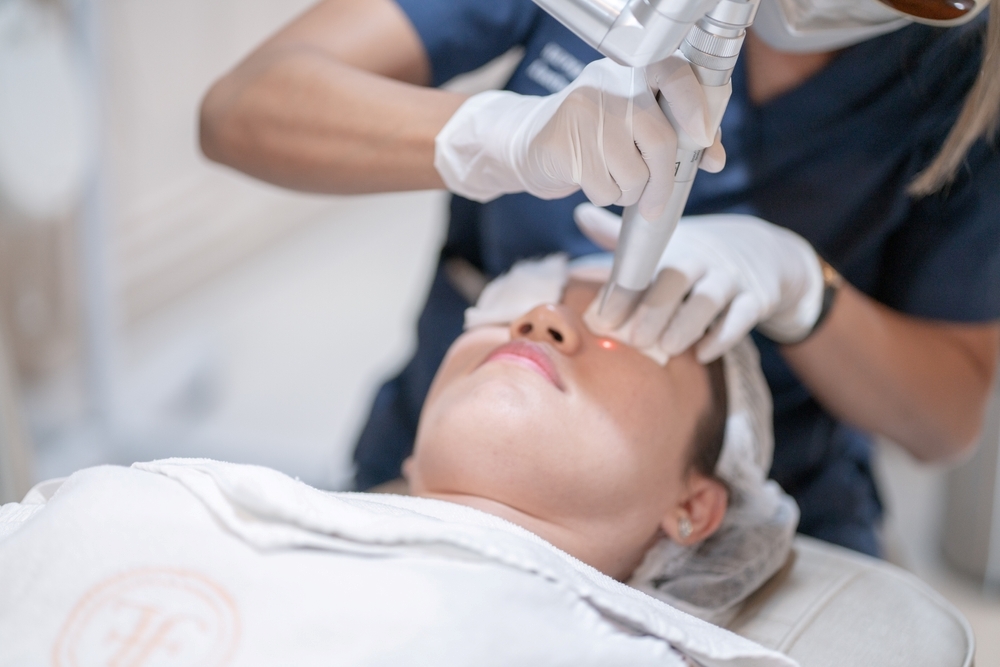
In laser spot removal treatments such as TriBeam,Decomposes melanin pigment, which is the basis of blemishes. The destroyed melanin pigment floats on the epidermis and disappears as a scab or is absorbed by the body. On the other hand, in spot irradiation such as Q-switched ruby laser,Destroys melanin-containing keratinocytes (epidermal cells)します。照射エネルギー・照射時間・波長の3つ条件がそろったレーザーを使い分けることで、あらゆるシミに対応可能です。ただし、肝斑の場合症状をより悪化させる恐れがあるため、レーザーによる治療は避けたほうが無難でしょう。
また、今あるシミをこれ以上増やさないためにも、ご自身の肌状態を知り、スキンケアに生かすことは非常に大切。YAYOI CLINICには、現在と未来の肌状態を解析・予測できる、先進の機器VISIAがあります。目に見えるシミだけでなく隠れジミやその予備軍まで解析できるすぐれものです。これから表面化するシミをあらかじめ把握することにより、早めにケアできるメリットがあります。
Causes of hyperpigmentation after laser spot removal
Why does pigmentation occur again after the melanin pigment is broken down by the spot removal laser? Let's take a look at the causes of the problem.
Due to the length of irradiation time
One of the causes of hyperpigmentation from spot removal lasers is due to the length of irradiation time. If the irradiation time is long,Light may also spread to the normal skin tissue around the blemish, causing unnecessary damagePost-inflammatory hyperpigmentation is the result of damage caused by laser irradiation. The damage caused by the laser reaching skin cells that do not need to be exposed to the laser is manifested as post-inflammatory hyperpigmentation. The longer the irradiation time, the more stress is placed on the skin and the more likely it is to develop hyperpigmentation. When performing the procedure, the physician must determine the appropriate irradiation time to prevent the heat from spreading to skin tissues other than the pigmentation.
Due to excessive activity of melanocytes
Melanocytes are the components that produce pigment. When the skin is damaged by a spot removal laser, inflammation occurs in an attempt to repair the damaged area. Inflammation activates melanocytes, causing them to overproduce melanin pigment. The result,An imbalance between melanin pigment production and emission, which remains on the surface of the skinof the skin. In some cases, hyperpigmentation after laser treatments such as Picospot is likely related to the activation of melanocytes due to inflammation, which can leave a stain.
Due to improper aftercare
After laser spot removal treatment, the skin is in a very delicate state, with a reduced skin barrier function. It may be hypersensitive to external stimuli.Excessive skin care and unprotected exposure to ultraviolet rays can lead to hyperpigmentation.. If you are concerned about pigmentation from a spot removal laser, it is important to ensure proper aftercare.
What to do if hyperpigmentation after laser spot removal does not disappear
In most cases, hyperpigmentation after laser spot removal will settle down over time. However, many people may feel uneasy if the pigmented areas do not disappear forever. Here are some tips on what to do when pigmentation does not disappear.
Apply hydroquinone or tretinoin.
The most common method of treating hyperpigmentation after laser spot removal is to apply creams containing hydroquinone or tretinoin. Hydroquinone inhibits the production of melanin pigments, while tretinoin helps to eliminate melanin pigments by promoting turnover. By applying,Two ingredients efficiently approach post-inflammatory hyperpigmentationThe two can be used independently. Although each can be used alone, the two can be used in combination to balance the suppression of melanin pigment production and its elimination, and synergistic effects can be expected. Please consult with your doctor at the clinic to determine when hydroquinone and tretinoin should be used.
Take medications that can help with hyperpigmentation after spot removal lasers.
Postinflammatory hyperpigmentation can also be treated with internal medications to improve the skin from the inside. For example,Tranexamic acid and L-cysteineThese are medications that are expected to have a whitening effect, such as There are two types of oral medications: prescription medications available based on a doctor's prescription and over-the-counter medications available at drugstores. It is advisable to decide which one to adopt depending on your lifestyle and the period of time you wish to improve your skin.
Consult the Clinic
いつまでも残る色素沈着には、クリニックで別の治療を受けることも1つの手段。クリニックには、皮膚に薬剤を塗布してターンオーバーを促すピーリングや、有効成分を角質へ浸透させる経皮導入機などで対応してくれるところがあります。
YAYOI CLINICのピーリング治療(※1)には、マッサージピール・ミラノリピール・ミントピールの3種類があり、肌悩みに合わせて治療できる点が魅力の1つ。ピーリングを施すことにより、肌表面にある古い角質などを取り除きターンオーバーを促進させます。また、経皮導入機であるメソナJ(※2)を用いた治療では、トラネキサム酸やビタミンC誘導体といった炎症後色素沈着(戻りジミ)の改善が目指せる有効成分を角質層へ浸透させます。シミの他にも、肌荒れや乾燥、毛穴開きに悩む方にもおすすめです。
Preventive measures against hyperpigmentation after laser spot removal
This section describes effective preventive measures you can take to avoid hyperpigmentation after a spot removal laser. If you are about to undergo or are about to undergo again a spot removal laser treatment, please refer to this section.
Provide proper UV protection.
After spot removal laser,The skin's ability to protect itself is weakened, making it more susceptible to absorbing ultraviolet rays.It is. Exposure to ultraviolet rays during this time is an irritant and can further aggravate the damage done by the laser. Ultraviolet rays are present all year round, regardless of the season. After the procedure, take proper precautions by using a sunscreen with high SPF or PA and a parasol or hat with UV protection.
Avoid friction against the skin
If friction to the skin causes strong irritation to the treated area, post-inflammatory hyperpigmentation is more likely to occur. For actions that we tend to do in our daily lives,Scrubbing the face hard with a towel after washing, applying lotion or milky lotion to the skin intensely, tapping the puff against the skin many times when applying foundationThe following are some of the things that can be done. When touching the skin after the procedure, it is important to be as gentle as possible to avoid irritation.
Do not forcibly peel off the scab that has formed.
The scab that forms after a laser spot removal treatment serves to protect the treated area from external stimuli and to produce new skin on the inside. Forcibly peeling off the scab may cause severe inflammation and hyperpigmentation. The scab will peel off,Generally 1 to 2 weeks.It is said to be a good idea. Try to avoid touching it as much as possible until the scab is removed naturally.
When does hyperpigmentation after laser spot removal disappear?
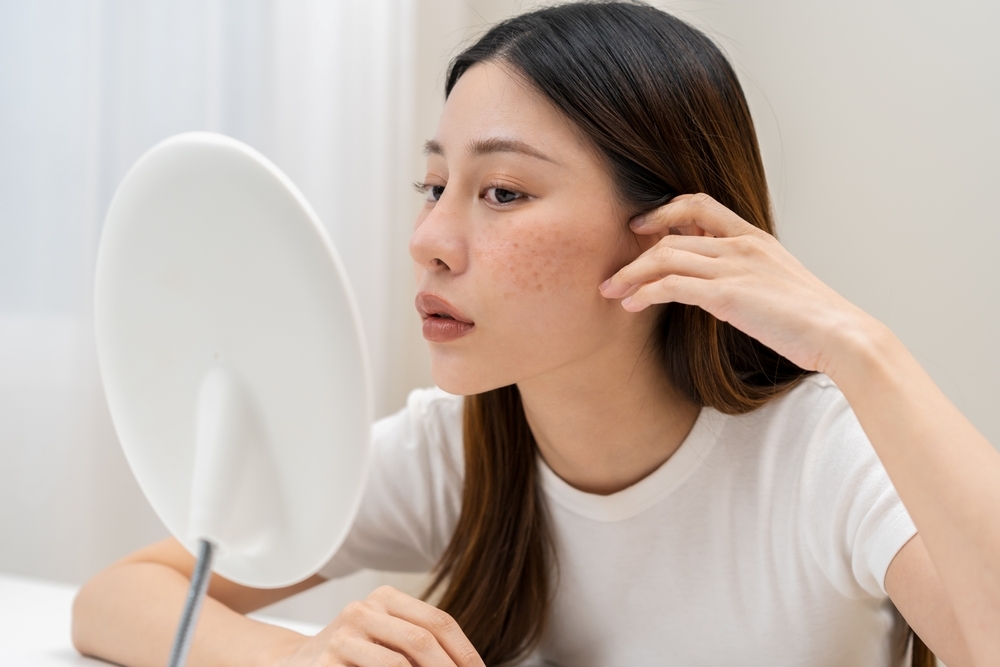
Although the course of postinflammatory hyperpigmentation varies from person to person,Gradual improvement over about 3-6 months.During this period, the skin will be exposed to a wide range of UV rays and appropriate skin care. In the meantime, it is important to be aware of the importance of UV protection and proper skin care to avoid stressing the skin. If the pigmentation after laser spot removal does not improve after six months or more, it is advisable to see a clinic as soon as possible.
Conclusion
シミ取りレーザー後の色素沈着は、照射時間の長さ、メラノサイトの活性化、不適切なケアが原因で起こりやすくなることが分かりました。炎症後色素沈着(戻りジミ)ができてしまった場合、外用薬や内服薬の使用を検討し、必要であればクリニックを受診すると良いでしょう。また、治療後は患部の日焼けや摩擦、かさぶたを触る行為を避け、色素沈着がひどくならないよう注意します。
広島の美容皮膚科・美容内科・美容外科・アートメイク YAYOI CLINIC(ヤヨイクリニック)では、お肌、お体、お顔のお悩み別に治療法をご紹介しています。
皆さまにより良い選択肢をご提案できますよう一人ひとりのお肌の状態を見極め、治療期間やご予算、ダウンタイムの許容範囲などご希望に合わせた治療方針を立案していく考えです。
お悩みのある方は、まずはカウンセリングにお越しください。
【治療の内容】VISIA肌診断
【当院採用機器】VISIA
【治療期間および回数】10~15分程度
【費用】1回 ¥3,300
【リスク・副作用等】
・微弱なUV光を使用しますが、照射時間は一瞬のため悪影響が生じることはほとんどありません。
【使用機器について】
VISIA treatments include procedures using domestically unapproved drugs or medical devices.
Drugs and medical devices used for treatment were imported from Japan under the judgment of our doctors.
・個人輸入における注意すべき医薬品等に関する情報は、下記をご参照ください。
https://www.yakubutsu.mhlw.go.jp/individualimport/purchase/index.html
There are no other domestically approved drugs with the same ingredients or performance.
There is a possibility that serious risks, side effects, etc. have not been identified.
【治療の内容】Qスイッチルビーレーザー
【当院採用機器】Qスイッチルビーレーザー
【治療期間および回数】通常1回
【費用】シミ取り1ショット ¥1,500 施術料 ¥10,000、シミ取り放題 ¥98,000
【リスク・副作用等】赤み、痛み、点状出血、色素沈着
【使用機器について】
・Qスイッチルビーレーザーの治療には、国内未承認医薬品または医療機器を用いた施術が含まれます。
・治療に用いる医薬品および医療機器は、当クリニックの医師の判断のもと、Jeisy Medical Incより個人輸入手続きを行ったものです。
・個人輸入における注意すべき医薬品等に関する情報は、下記をご参照ください。
https://www.yakubutsu.mhlw.go.jp/individualimport/purchase/index.html
機械器具(31) 医療用焼灼器 高度管理医療機器 ルビーレーザー(36189000)
特定保守管理医療機器 設置管理医療機器 ザ・ルビー Z1 Nexus
There are no other domestically approved drugs with the same ingredients or performance.
・医療機器承認番号:30200BZX00022000
There is a possibility that serious risks, side effects, etc. have not been identified.
In the unlikely event of serious side effects, the drug is not covered by the government's Adverse Drug Reactions Relief Program.
【治療の内容】 QスイッチNd:YAGレーザー(レーザートーニング)
【当院採用機器】トライビームプレミアム
【治療期間および回数】週1回、計5~6回程度
【費用】1回 ¥21,780
【リスク・副作用等】赤み、炎症後色素沈着、瘢痕形成、色素脱失など
【使用機器について】
TriBeam Premium treatments include procedures using domestically unapproved drugs or medical devices.
・治療に用いる医薬品および医療機器は、当クリニックの医師の判断のもと、Jeisy Medical Incより個人輸入手続きを行ったものです。
・個人輸入における注意すべき医薬品等に関する情報は、下記をご参照ください。
https://www.yakubutsu.mhlw.go.jp/individualimport/purchase/index.html
There are no other domestically approved drugs with the same ingredients or performance.
In the unlikely event of serious side effects, the drug is not covered by the government's Adverse Drug Reactions Relief Program.
【治療の内容】ケミカルピーリング
【当院採用薬剤】
・マッサージピール
・ミラノリピールミラノリピール
・ミントピール
【治療期間および回数】
・マッサージピール:2~3週間に1回、計5回程度
・ミラノリピールミラノリピール:2~3週間に1回、計3~10回程度
・ミントピール:1~2週間に1回、計4~6回程度
【費用】
・顔、手、首のうち1部位:1回 ¥21,780
・首とデコルテ(ミラノリピールのみ):1回 ¥43,560
・背中(ミラノリピールのみ):1回 ¥43,560
【リスク・副作用等】
・マッサージピール:赤み、皮むけ、かさぶたなど
・ミラノリピール:痛み、赤み、かさぶた、一時的なニキビの悪化など
・ミントピール:皮むけ、赤み、腫れ、かさぶたなど
【未承認医薬品等であることについて】
・マッサージピール、ミラノリピール、ミントピールの治療には、国内未承認医薬品または医療機器を用いた施術が含まれます。
The medicines and medical devices used for treatment were imported by private individuals based on the judgment of the doctors at our clinic. Please refer to the following for information on medicines and other items of concern for personal importation.
https://www.yakubutsu.mhlw.go.jp/individualimport/purchase/index.html
There are no other domestically approved drugs with the same ingredients or performance.
There is a possibility that serious risks, side effects, etc. have not been identified.
In the unlikely event of serious side effects, the drug is not covered by the government's Adverse Drug Reactions Relief Program.
【治療の内容】メソポレーション(エレクトロポレーション)
【当院採用機器】メソナJ
【治療期間および回数】4週間に1回、計4~6回程度
【費用】1回 ¥21,780~ ¥32,780
【リスク・副作用等】使用する薬剤によるアレルギー反応(発赤、熱感、かゆみ、腫れ、発疹)、ピリピリとした刺激、閃光など
【使用機器について】
Treatment of Mesotherapy includes procedures using domestically unapproved drugs or medical devices.
・治療に用いる医薬品および医療機器は、当クリニックの医師の判断のもと、株式会社SeleneMedicalより個人購入手続きを行ったものです。個人購入における注意すべき医薬品等に関する情報は、下記をご参照ください。
https://www.yakubutsu.mhlw.go.jp/individualimport/purchase/index.html
There are no other domestically approved drugs with the same ingredients or performance.
・国内における安全性等に係る情報。以下の認証を取得しています。
Safety standard JIS-T 0601-1 (IEC60601-1:2005)
Electromagnetic compatibility (EMC) IEC60601-1-2:ed3
There is a possibility that serious risks, side effects, etc. have not been identified.
In the unlikely event of serious side effects, the drug is not covered by the government's Adverse Drug Reactions Relief Program.


